YI · Yi’s reflection perspective
Lenormand · Lily — image, meaning and reflection
Maturity, restraint, and calm are cultivated over time; use experience to reduce needless conflict. What mature response could make the situation steadier?
Use cards for reflection, not prediction. Cards offer a starting point for reflection. Check the facts and make your own decisions.
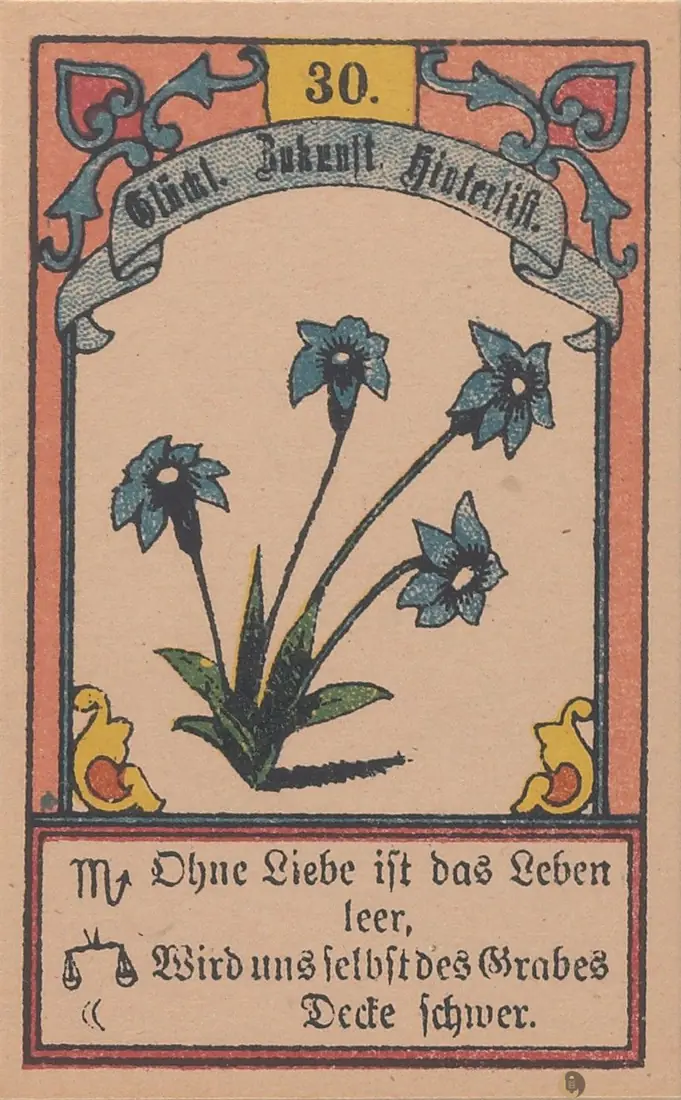
Look at the image before your associations
Several flowers rise between green leaves.
Pause on this image. Write one detail you can actually see, then a moment from your life that it brings to mind. Keep the observation separate from the association; yours need not match anyone else’s.
Yi’s reflection perspective
These are Yi’s modern reflection notes for self-understanding. They do not establish facts about an event or claim a single interpretation across traditions.
Maturity, restraint, and calm are cultivated over time; use experience to reduce needless conflict.
- maturity
- calm
- elder
- experience
- moderation
- reconcile
Bring the image into an everyday situation
An illustrative exercise, not a description of you.
After a busy period, you want steadiness. Notice what pace feels sustainable and begin with one manageable routine.
Write your own response
- What mature response could make the situation steadier?
- What experience supports this association? What still needs to be checked?
- What small step could you try today, and when will you review what changed?
From an observation to a decision
Choose an observation that matters to you and turn it into an open question. In Yi, start a cast yourself, study its classical sources, record your decision and return to review it. Cards provide context; they do not select a hexagram.
What mature response could make the situation steadier?Try a reflective draw Get Yi. Continue your question.
Image sources and editorial notes
Card art: Ch. Didot, Paris, c. 1890 · Beinecke Rare Book & Manuscript Library, Yale University · Public domain
View the image source recordReflection text: Yi editorial team. Image provenance and modern exercises are identified separately; Yi’s cross-tradition associations are not presented as historical meanings.